In recent years, the demand for eco-friendly packaging has surged significantly. According to a report by Smithers Pira, the global market for sustainable packaging is projected to reach $500 billion by 2027. As companies seek to align with environmentally conscious consumers, kraft paper bags have emerged as a popular choice. This raises the question of how to print logos on kraft paper bags effectively.
Effective logo printing on kraft paper involves understanding the material's unique qualities. The porous surface absorbs ink differently than standard paper. Business owners need to consider the type of ink that adheres well to this surface. Recent studies suggest that vegetable-based inks perform better, offering a vibrant finish while remaining sustainable. However, achieving a perfect result is not always easy, and some trial and error may occur during the process.
Moreover, consumer preferences play a vital role. A survey by Nielsen found that over 66% of global consumers are willing to pay more for sustainable products. Thus, a well-printed logo on kraft paper can enhance brand visibility and appeal. Businesses must constantly evaluate their techniques and consider innovative methods. This guides us on how to print logos on kraft paper bags while keeping pace with evolving market demands.
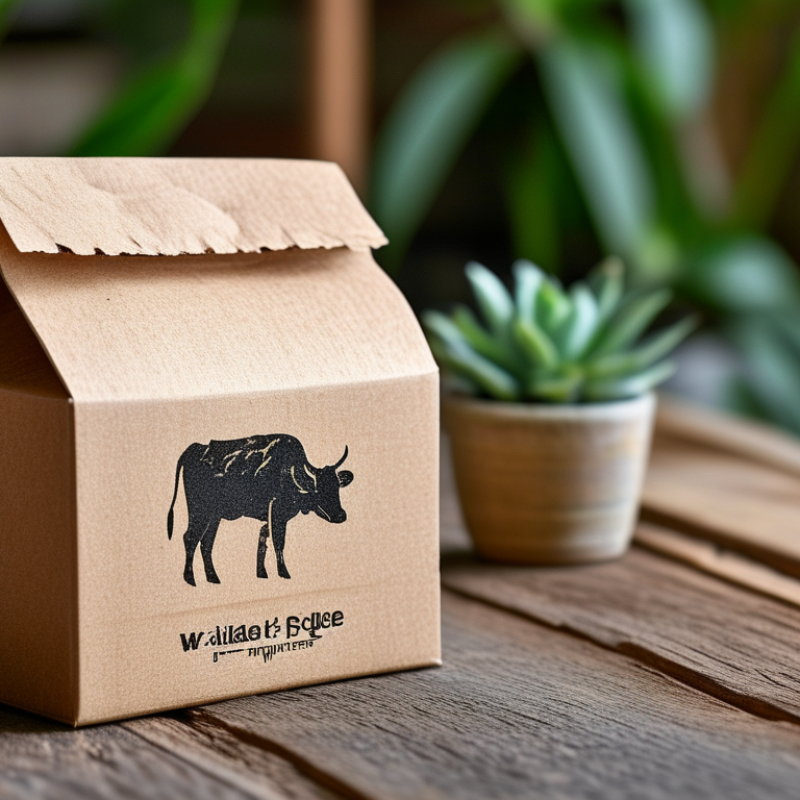
Kraft paper bags have gained popularity for their eco-friendly and versatile nature. These bags are made from recycled materials, making them a sustainable choice for businesses. They are commonly used in retail, food service, and packaging industries. The rustic texture of Kraft paper adds charm and visual interest to any product. Additionally, these bags have good strength, making them ideal for carrying various items.
Understanding the uses of Kraft paper bags can help improve branding efforts. Many businesses print their logos on these bags to enhance visibility. However, the printing process can be tricky. Ensuring the ink adheres properly is vital. The surface of Kraft paper can absorb ink differently, leading to inconsistent appearances. Businesses should test various printing methods to find one that suits their design and budget.
While Kraft paper bags are practical, they have limitations. They are not waterproof, making them unsuitable for wet items. This factor should be considered when choosing packaging solutions. Moreover, some users may find the texture less appealing compared to glossy finishes. Reflecting on these details can help businesses make informed decisions about their branding and packaging strategies.
This chart illustrates the effectiveness of different printing techniques for logos on Kraft paper bags based on customer feedback.
When it comes to printing logos on Kraft paper bags, selecting the right printing method is essential. Different techniques vary in quality and durability.
Common methods include flexography, digital printing, and screen printing.
According to a 2022 Smithers report, digital printing has seen a 25% growth
due to its flexibility and efficiency for short runs.
Flexography is advantageous for bulk orders, producing sharp images at a lower cost per unit. However, the setup costs can be significant.
Screen printing may provide limited color options but offers vibrancy and longevity. The right choice must align with your logo's design and your budget constraints.
Tip:
Consider your bag's end-use. If it's for retail, durability matters. If it's promotional, digital printing’s flexibility is a plus.
Tip:
Factor in lead time. Digital printing takes less time for proofs, making it suitable for tight schedules.
High-quality results often require testing. Each method can influence the final appearance and texture of your logo.
Sometimes, the best approach is to consult with experts who understand the unique characteristics of each printing method.
When preparing your logo design for printing on Kraft paper, understanding the material is crucial. Kraft paper has a natural texture that may alter color perception. According to the Paper and Packaging Board, about 70% of consumers prefer sustainable packaging. Therefore, logos printed on Kraft should reflect that eco-friendly sentiment.
Colors can shift on Kraft paper. Light colors may appear muted, while darker shades could dominate. Testing different shades is advisable before the final print. Many designers recommend using a limited color palette for logos on Kraft to create a clean and effective look. A study by the Printing Industries of America indicates that 68% of consumers form opinions based on color alone.
It's essential to consider the size and placement of your logo. A logo that’s too large can overwhelm the bag's aesthetic. A balanced design will enhance brand visibility while maintaining the paper's organic charm. Additionally, review the resolution of your logo files. Low-resolution images can result in poor print quality, which can detract from your brand's professional image.
When printing logos on Kraft paper bags, the choice of ink and printing technique is crucial. Flexographic printing is popular for its speed and efficiency. According to a 2022 industry report, this method can reduce printing costs by 30% compared to traditional methods. It applies ink quickly, making it suitable for high-volume printing. However, achieving consistent quality can be challenging. It requires precise calibration and skilled operators.
Screen printing offers a different approach. This method provides vibrant colors and durability. A study indicates that screen-printed logos tend to last longer under various conditions, making them ideal for bags used frequently. However, it’s essential to be mindful of color limitations. Mixing inks can lead to inconsistencies. Sometimes, the final product may not meet expectations if proper testing isn’t conducted beforehand.
Digital printing has gained traction due to its flexibility. This technique allows for unique designs and quick approvals. Research shows that 40% of companies prefer digital methods for custom orders. Yet, ink adhesion on Kraft paper can sometimes be inadequate. It’s important to test various inks as not all are compatible. Consider conducting trials to find the right balance of quality and cost in your printing approach.
When printing logos on kraft paper bags, achieving high-quality results can be a challenge. The texture of the kraft paper affects ink absorption. This can lead to uneven print quality. For the best outcome, choose the right printing technique. Techniques like screen printing or digital printing can yield excellent results when done correctly.
Preparation is key to successful printing. Start by ensuring that the kraft paper is clean and dry. Any dust or grease can compromise the print quality. Test prints are essential before the final run. They allow you to see how the ink interacts with the paper. Pay attention to the logo design and colors. Some colors may appear differently on kraft compared to glossy surfaces.
Calibration of the printing equipment is important. Inconsistent pressure or ink levels can lead to undesirable prints. Monitor these factors closely throughout the process. Consider using a test strip to check for imperfections. This may reveal issues that need adjustment. When printing on kraft, remaining flexible in your approach can help overcome unforeseen challenges.
: Kraft paper has a unique texture that can affect color perception.
Light colors may look muted, while dark colors can dominate.
Yes, testing different shades is advisable for the best outcome.
Consider the size and placement carefully. A balanced design enhances visibility.
Low-resolution images can diminish professional appearance during printing.
Flexographic printing is favored for its speed and cost-effectiveness.
Yes, it requires precise calibration and skilled operators for consistent quality.
It provides vibrant colors and durability, ideal for frequent use.
Color limitations can occur, leading to inconsistencies without proper testing.
It offers flexibility and quick approvals for unique designs.
Printing logos on kraft paper bags can be a highly effective way to enhance brand visibility and appeal to eco-conscious consumers. Understanding the properties of kraft paper and its various uses is crucial. The first step in the process is to choose the right printing method that suits your logo design, ensuring compatibility with the texture and color of the kraft material.
Next, preparing your logo design involves optimizing it for the unique characteristics of kraft paper, such as contrast and clarity. Techniques for applying ink, including screen printing and digital printing, can significantly influence the final quality. To achieve high-quality print results on kraft paper bags, consider factors like ink absorption and drying times, while also allowing for proper prep work. By following these guidelines, you will learn how to print logos on kraft paper bags effectively, creating attractive and professional-looking products for your brand.
