High-performance structures designed for automated filling systems, robust logistics, and uncompromising moisture protection.
An authoritative analysis of high-performance powder containment, automation mechanics, and sustainable supply chains.
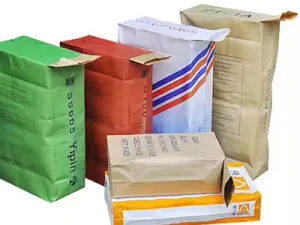
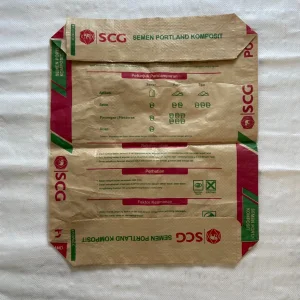
In modern industrial logistics, the packaging of granular and powder-based dry solids requires a perfect harmony of durability, moisture-proofing, and automated efficiency. Multiwall valve paper bags represent the apex of engineering in this category, widely recognized as the global standard for dry mortars, cement, chemicals, minerals, food additives, and agricultural seeds. Unlike open-mouth bags, the valve bag is characterized by a pre-sealed structure that features an opening—the valve—through which material is pneumatically or mechanically injected at high speeds. Once filled, the internal pressure of the product seals the valve automatically, eliminating the need for subsequent stitching or gluing operations on the production line.
The global packaging sector is undergoing a profound structural transition. This movement is driven by three primary catalysts: environmental regulations targeting single-use plastics, the integration of Industry 4.0 automation, and the commercial demand for extended product shelf life. As corporations pledge carbon neutrality, multiwall kraft paper valve bags have emerged as the premier eco-friendly alternative to traditional plastic woven bags. By combining sustainably sourced virgin wood pulp with ultra-thin, biodegradable barrier layers (such as bio-plastics or water-dispersible coatings), manufacturers can deliver packaging that is both highly robust and structurally recyclable.
Simultaneously, the design of the valve itself has progressed. Intelligent self-closing mechanisms, ultrasonic sealing compatibility, and micro-perforation systems are now industry standards. Micro-perforations allow high-volume air extraction during high-speed filling (preventing bag rupture) while blocking environmental humidity and keeping the raw material dry. Today's advanced valve structures are engineered specifically to pair with high-speed automated packaging machinery (such as rotary packers), maximizing output while minimizing dust emission in the workspace.
"The shift toward high-speed automatic filling lines requires packaging materials engineered with consistent tensile strength, stable friction coefficients, and precise dimensions to guarantee zero downtime during palletizing."
Enterprise procurement departments must balancing operational costs with risk management. For critical industrial components like cement, dry-mix adhesives, and food-grade chemical powders, bag failures can lead to expensive product losses, logistics disputes, and severe dusting hazards. As a result, global procurement managers look for suppliers who can guarantee strict performance parameters:
How Hebei ChicBeauty Bag Co., Ltd. integrates upstream assets and automation to deliver unbeatable cost-to-quality ratios.
Operating multiple sister factories producing raw PP fabric rolls and kraft paper rolls. This internal supply loop allows us to secure materials at stable pricing, protecting our global partners from market fluctuations.
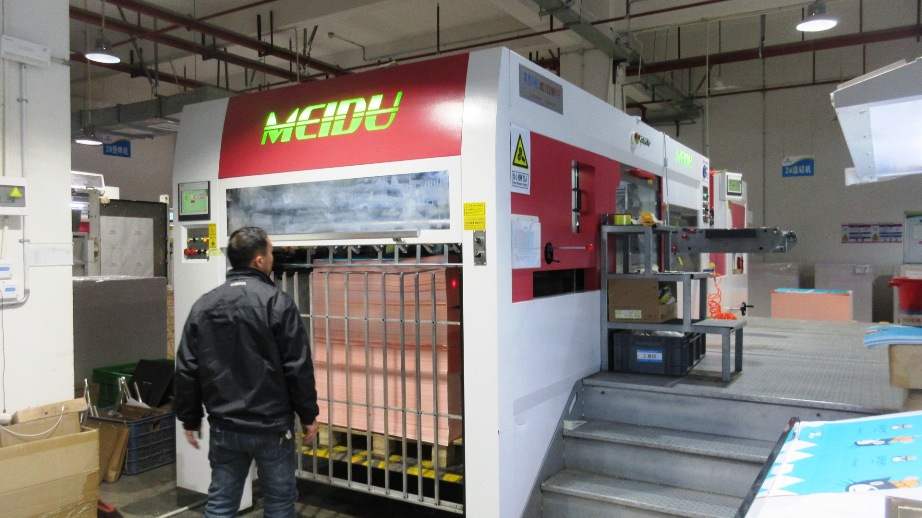
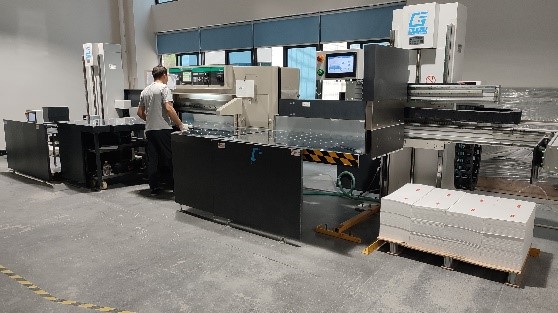
Equipped with German Heidelberg printing machinery and high-precision tubers and bottomers, guaranteeing dimensional accuracy, crisp graphics, and rapid production cycles.
Every production batch undergoes a strict verification system: twice in-line and once post-manufacture, followed by manual product inspections before packing and shipment.
| Packaging Substrate Type | Material Weight & Layers | Key Applications | Performance Key Indicators |
|---|---|---|---|
| Multiwall Kraft Paper Valve Bag | 70g - 90g Extensible Paper (2 to 4 layers) | Portland Cement, Dry Mortars, Gypsum, Resins | High air permeability, micro-porosity, high drop rating |
| Laminated PP Woven Valve Bag | 60g - 80g PP + BOPP Film Lamination | Animal Feed, Chemicals, Soil Additives | Absolute tear strength, water resistance, gloss graphics |
| Paper-Plastic Composite Bag | Kraft Paper laminated with inner PP fabric | Chemical Powders, Raw Plastic Pellets | High puncture resistance, stable stacking friction |
| Food-Grade Multiwall Valve Bag | FDA-approved Kraft with PE-Free Film Liner | Starch, Baking Ingredients, Powdered Additives | Hygienic dust-free valves, hermetic ultrasonic sealing |
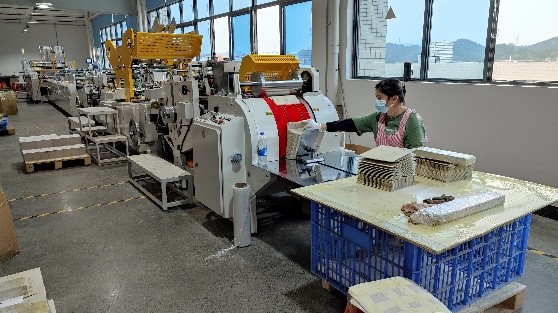
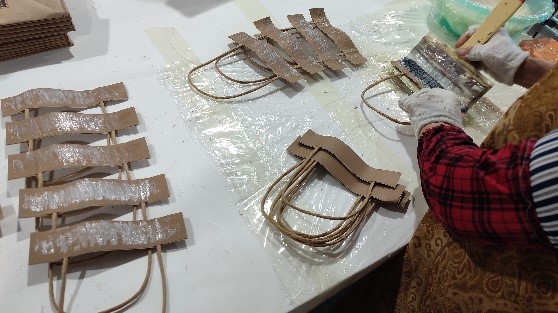
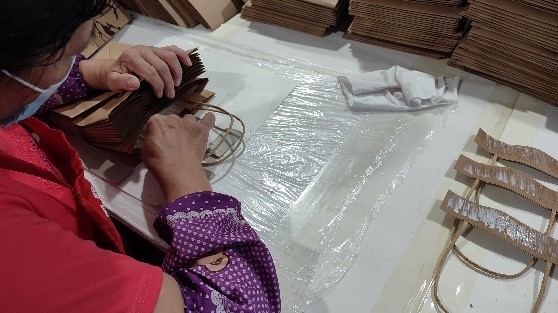
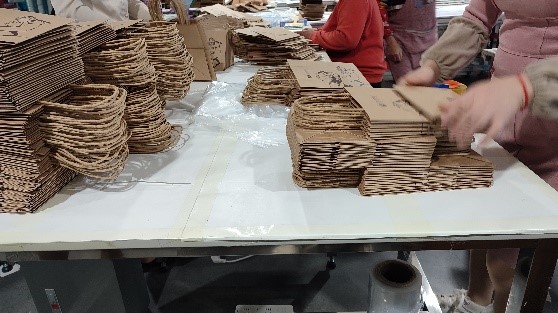
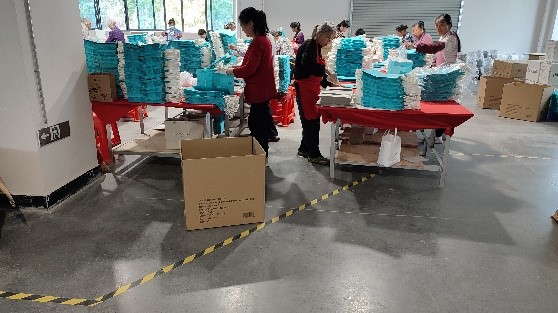
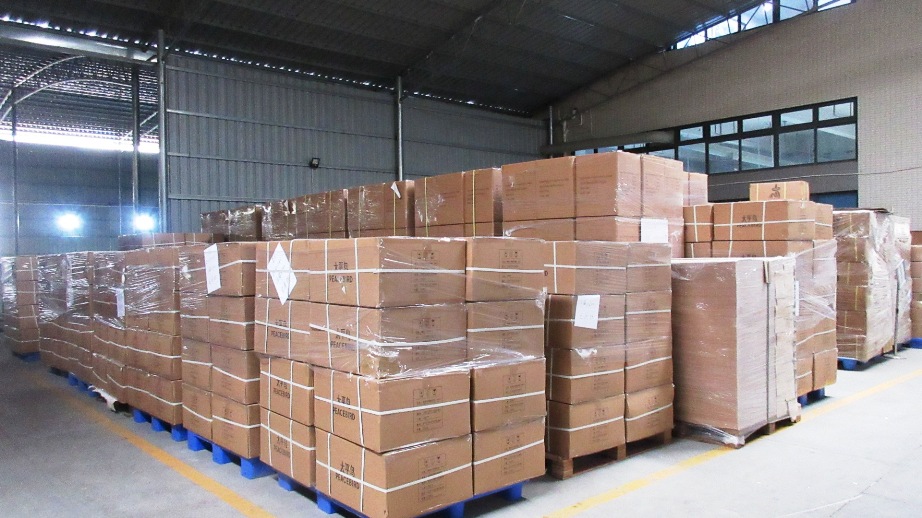
A transparent showcase of our automated production workflow, ensuring strict quality control from raw materials to final shipment dispatch.
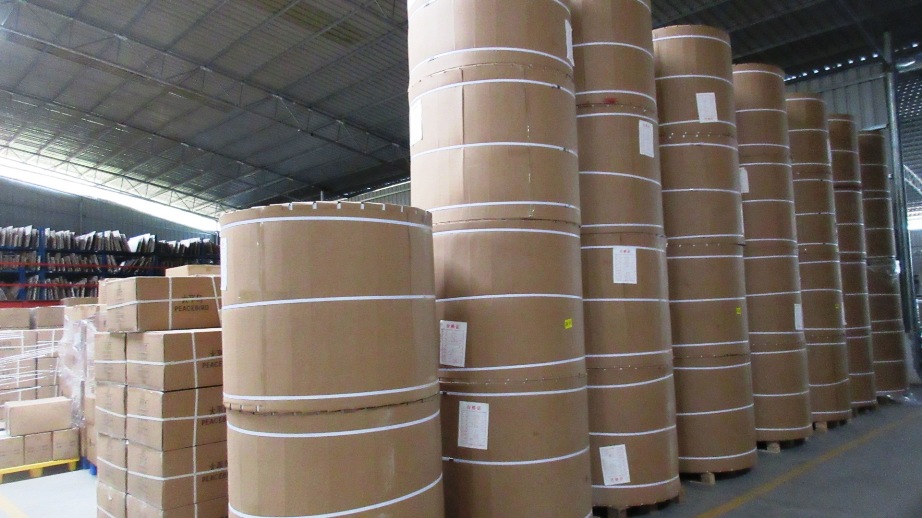
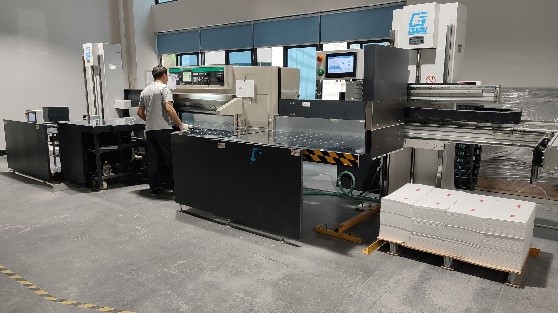
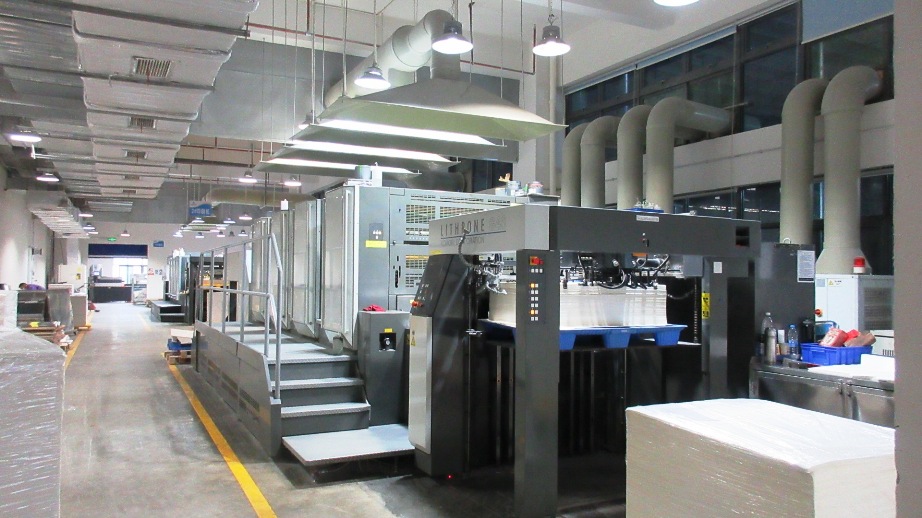
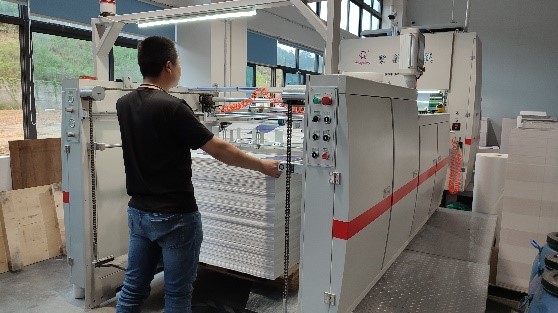
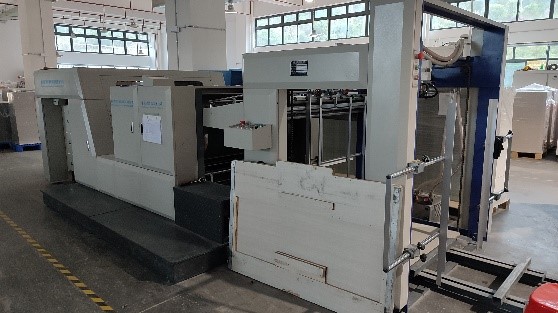
An engineering dive into micro-permeability, high tensile energy absorption, and structural sealing integrity.
The core advantage of using a valve paper bag lies in its performance on high-speed filling lines. Automatic filling machines (such as pneumatic packers, impeller packers, and gravity feed units) push bulk material into the bag at high speeds. This air must be vented rapidly to prevent the bag from bursting. We resolve this by using high-permeability kraft paper (often sourced with high Gurley values) combined with offset patterns of micro-perforations. These micro-perforations allow clean venting while preventing fine powders like cement or dry-mix mortars from escaping.
Another critical design element is the valve construction. Depending on the properties of the material being filled, several options are available:
Furthermore, Hebei ChicBeauty Bag Co., Ltd. utilizes advanced German Heidelberg printing technology to ensure that tracking codes, hazardous material symbols, and brand graphics remain sharp and legible under tough weather conditions. This level of design is essential for compliance with international logistics standards, particularly when transporting industrial materials across borders.
Answers to common industry queries regarding certifications, dimensions, material integrity, and international logistics.
From heavy-duty FIBC bulk bags to greaseproof retail food-grade packaging solutions.
 ChicBeauty Bag