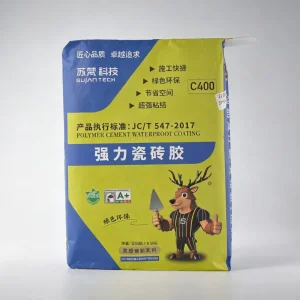
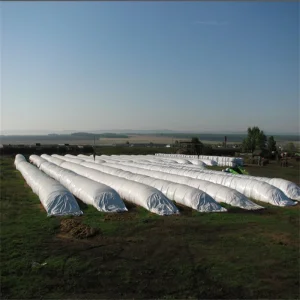
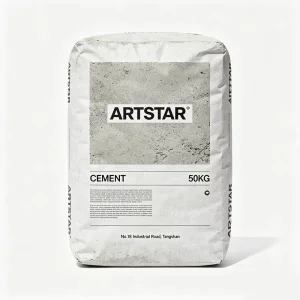
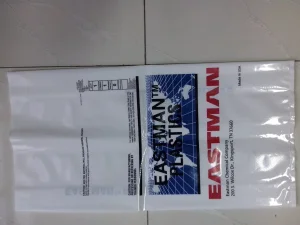
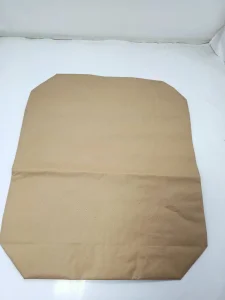
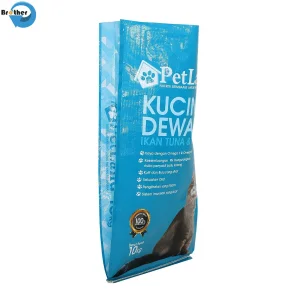
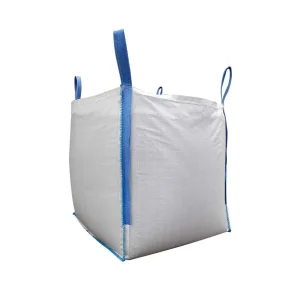
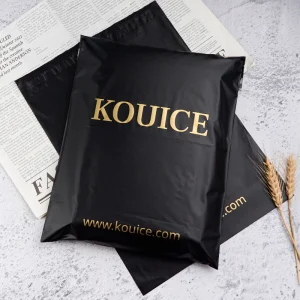
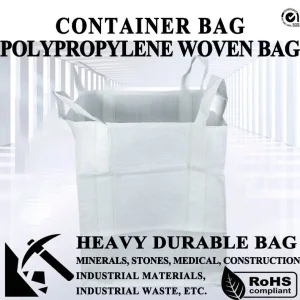
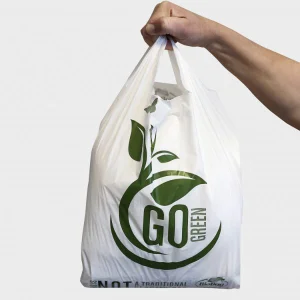
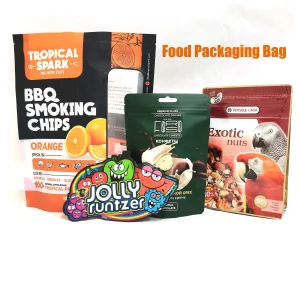
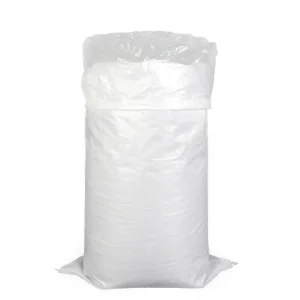
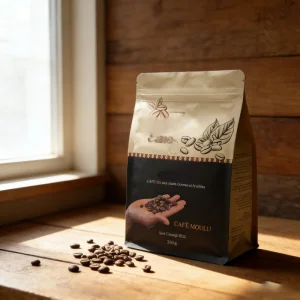
Explore our primary commercial packaging solutions tailored for diverse industrial, agricultural, and general bulk commodities.
An in-depth analysis of agricultural logistics, preservation chemistry, and polymer trade corridors.
Modern globalized agriculture demands highly specialized packaging to bridge the gap between farms, packhouses, cold-storage centers, and ultimate retail shelves. The vegetable mesh bag (primarily manufactured via high-density polyethylene [HDPE] or polypropylene [PP]) represents a vital component in preserving the physical freshness of post-harvest produce. Unlike traditional solid barrier bags, agricultural mesh structures support continuous respiration, managing relative humidity levels to delay mold development and prevent physiological decay.
As the international community enforces strict waste reduction mandates and targets single-use plastics, global procurement strategies are shifting towards advanced monofilament fabrics, biodegradable meshes, and high-tensile packaging. Manufacturers in industrial hubs like Handan, Hebei, are utilizing advanced circular looms and polymer formulations to engineer mesh structures that deliver high-tensile yield strengths alongside high gas permeability. These innovations ensure safe long-haul transport across continents, supporting global food security and distribution efficiency.
Engineered mesh fabrics designed for mechanical packing, structural stability, and cargo security.
Leno mesh utilizes flat PP ribbons locked at every intersection, offering high stability and minimal shifting, ideal for heavier produce. Raschel knit, using PE monofilaments, provides high elasticity and a softer handfeel, popular for retail packs (1kg–10kg) of garlic and citrus.
Prolonged exposure to solar radiation can degrade polymer chains. Our bags are treated with Hindered Amine Light Stabilizers (HALS) to protect structural integrity during farm curing, storage, and long-distance open-bed hauling.
By blending high-performance copolymers, our wholesale agricultural mesh products achieve exceptional safe-working-load limits (5kg to 50kg, and up to 1000kg for bulk FIBC applications) without compromising ventilation properties.
How customized mesh dimensions and ventilation dynamics optimize agricultural supply chain yields.
Every crop features unique biological respiration profiles, sensitivity to moisture, skin tenderness, and bulk density. Sourcing managers must balance bag dimensions, mesh openings, and materials to match specific agricultural products:
Requires high air flow to prevent neck rot and skin decay. Red and yellow Leno mesh bags (25kg - 50kg capacity) are the industry standard, providing high ventilation and color enhancement for retail display.
Heavy, soil-bearing crops require highly durable mesh designs. Heavy-duty woven Leno or reinforced PP bags offer the structural support needed to handle mechanical packing lines and high-density pallet stacking.
High moisture levels can lead to heat buildup inside shipping containers. Lightweight, breathable Raschel or Monofilament mesh bags support continuous evaporative cooling during transit.
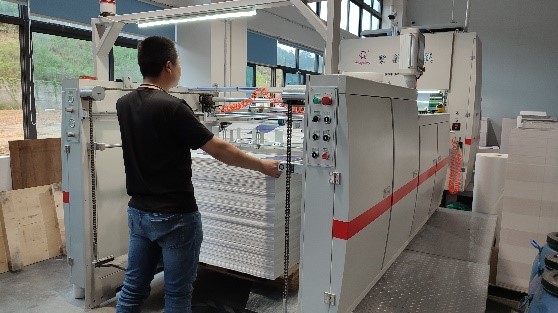
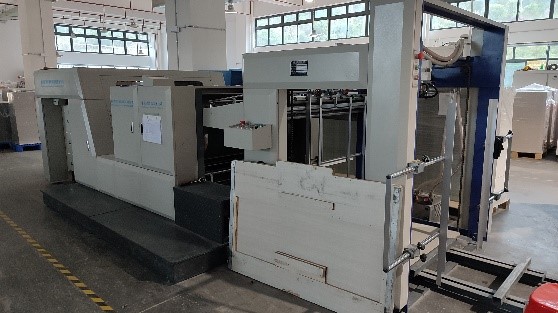
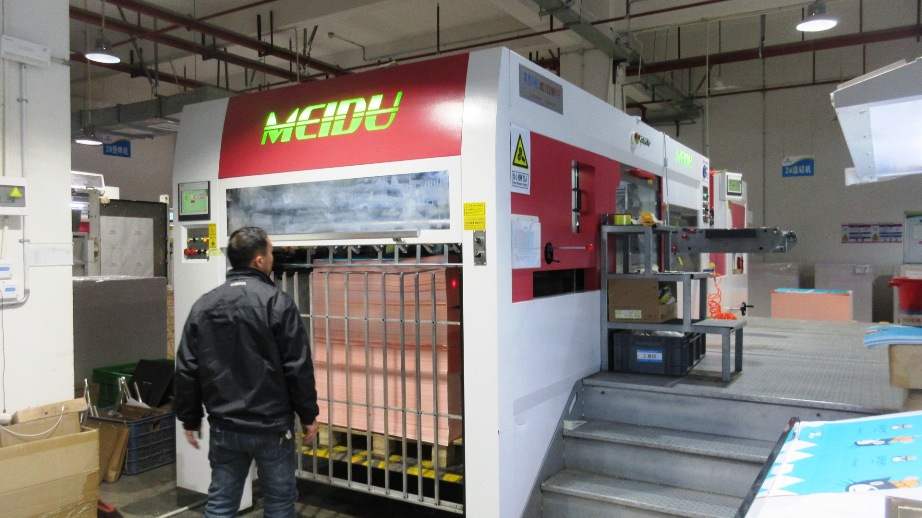
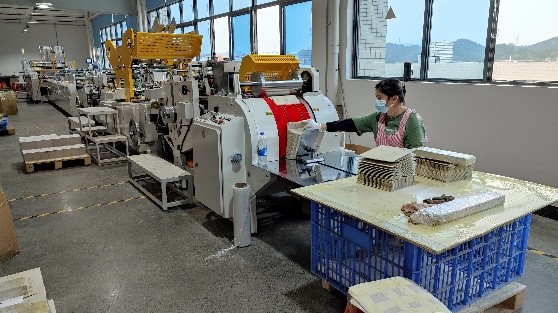
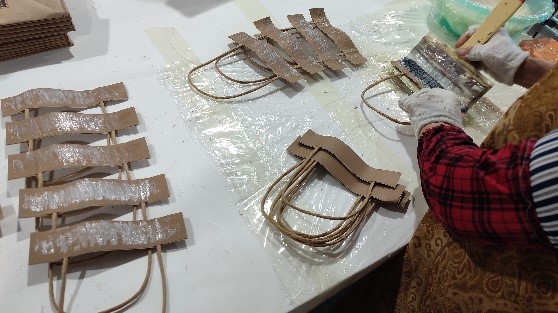
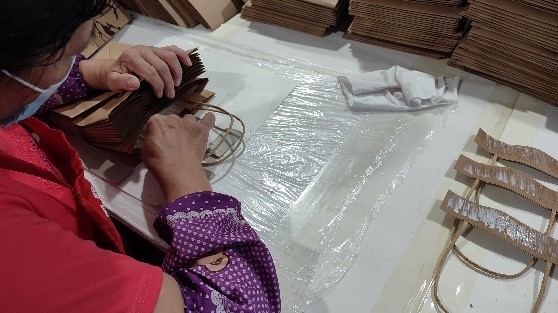
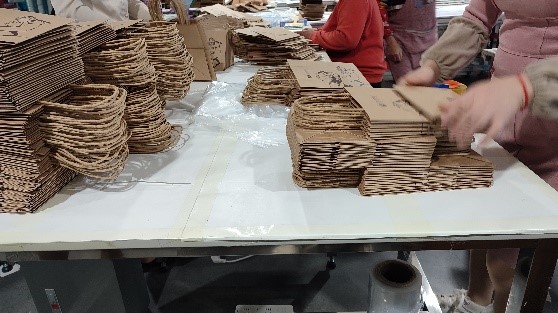
Step-by-step production methods deployed at Hebei ChicBeauty Bag Co., Ltd. for agricultural and heavy industrial applications.
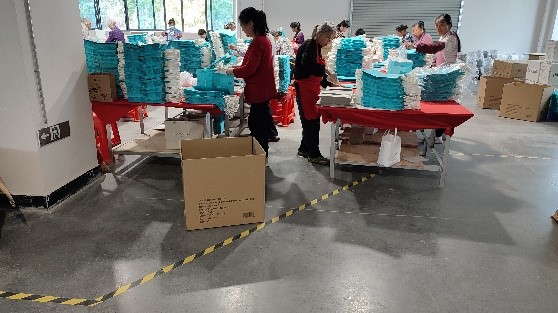
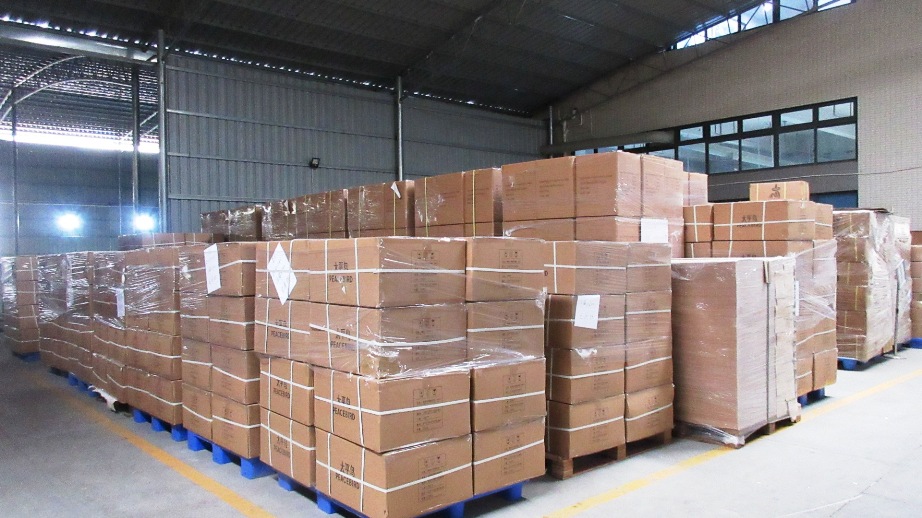
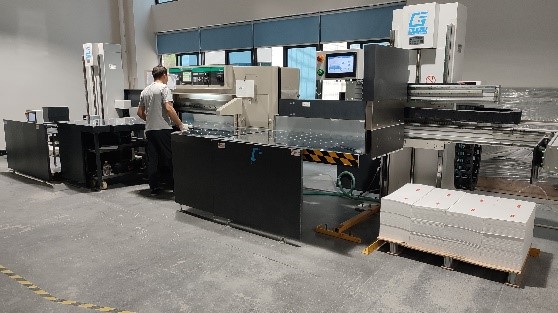
A trusted leader in heavy-duty industrial and agricultural packaging since 2018.
Hebei ChicBeauty Bag Co., Ltd., established in 2018 in Handan City, Hebei Province, has grown into a leading manufacturer of high-performance packaging materials. The company's main products include PP woven bags, valve bags, multi-layer kraft paper bags, paper-plastic composite bags, and FIBC (Jumbo Bags). These solutions are widely used for handling powdered and granulated materials across the construction, agriculture, and chemical industries.
Our valve bags are engineered to support automated mechanical filling lines, significantly improving packing speeds and reducing labor overhead for industrial users. This design ensures uniform dimensions and high stability for palletized warehouse storage and long-distance transport.
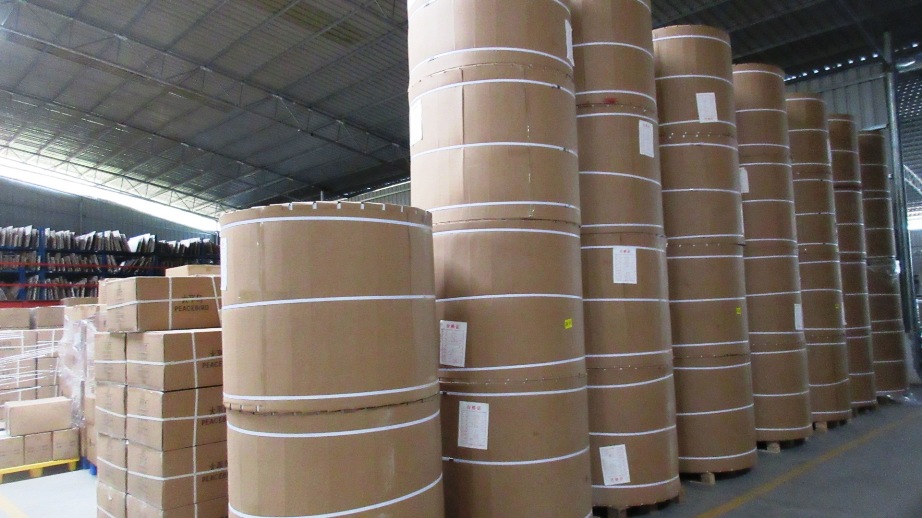
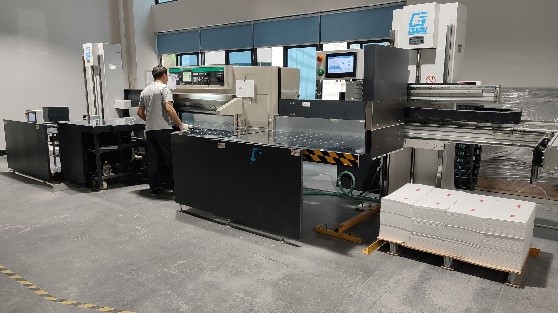
Operating a manufacturing facility staffed by over 300 professionals, ChicBeauty Bag maintains an annual production capacity of approximately 25,000 tons. Equipped with fully automated production machinery, the facility delivers consistent product performance and high quality across production runs. In addition, sister facilities supply PP fabric rolls and kraft paper rolls internally, allowing the company to source premium raw materials and semi-finished components at competitive rates, passing these cost savings directly to customers.
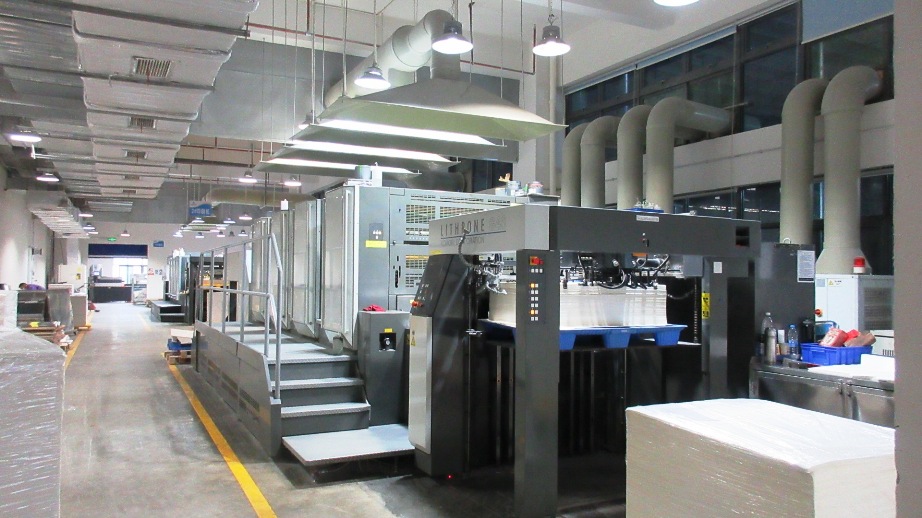
Equipped with imported German Heidelberg machinery, ensuring high-definition, multi-color branding and clear printing of nutritional analyses and compliance barcodes directly onto the bag surface.
We source high-grade, virgin polypropylene and polyethylene resins. This guarantees high tensile strength, load reliability, and food-grade compliance, eliminating the contamination risks associated with recycled materials.
Our in-house design and engineering teams provide tailored layouts, custom dimensions, and structural options (such as easy-carry handles, drawstrings, or top-valve ports) designed to integrate with automated packing lines.
How emerging global circular standards are shaping the future of industrial mesh development.
The agricultural packaging industry is shifting towards circular economy designs. Sourcing agents and regulatory bodies are demanding materials that balance functional performance with lower end-of-life environmental impact. In response, our materials science division is exploring two primary developments:
By blending PLA with PBAT, we produce mesh designs that degrade under industrial composting conditions into water, carbon dioxide, and organic matter. This helps agricultural companies comply with EU and US food-contact circularity standards.
While maintaining virgin-grade strength, we are engineering hybrid mesh structures containing up to 30% certified PCR plastics. This reduction in virgin resin use supports brand sustainability goals and reduces carbon footprints.
Integrating organic food-safe preservation agents into the polymer matrix during extrusion helps inhibit fungal spores and decay bacteria, extending produce shelf life and reducing transit loss.
Answers to technical sourcing, material compatibility, and logistical queries.
Explore our heavy-duty bags, specialty paper packaging, and flexible intermediate bulk containers (FIBC).
 ChicBeauty Bag