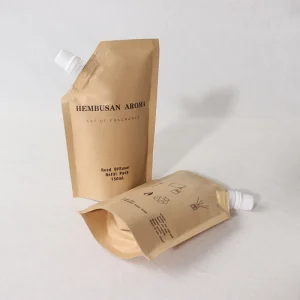
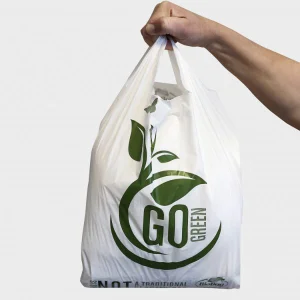
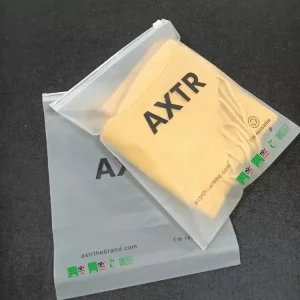
The Philippines is currently undergoing a massive legislative and cultural shift regarding plastic consumption. With the implementation of the Extended Producer Responsibility (EPR) Act of 2022 (Republic Act No. 11898), large-scale companies are now mandated to establish programs for the plastic packaging waste they bring into the market. As a leading exporter, we provide the technical infrastructure to help Philippine enterprises meet these stringent requirements.
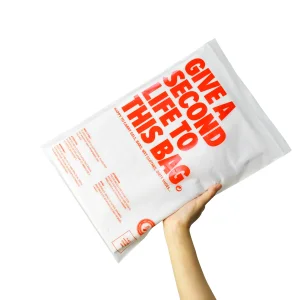
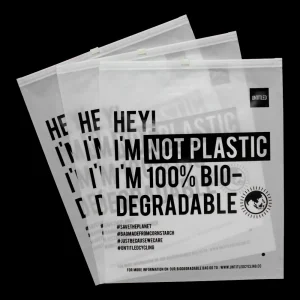
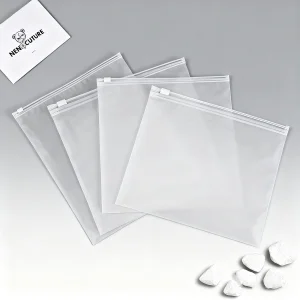
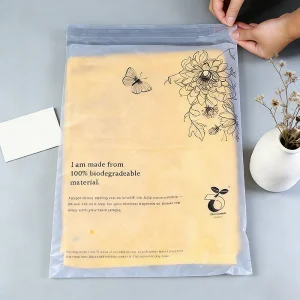
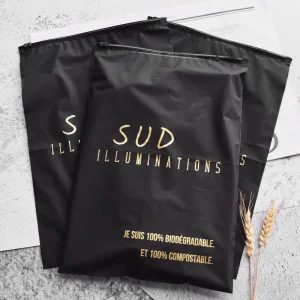
From the bustling malls of Makati to the e-commerce hubs in Pasig, the demand for Custom Biodegradable PE Bags has skyrocketed. Retailers are moving away from traditional single-use plastics to PLA/PE blends that offer the same durability but with significantly lower environmental footprints.
As a global leader in banana, pineapple, and coconut exports, the Philippine agricultural sector requires heavy-duty packaging. Our Biodegradable Valve Bags and FIBC solutions provide the strength needed for bulk transport while ensuring that field waste is manageable and eco-friendly.
Local Government Units (LGUs) across Quezon City, Cebu, and Davao have enforced localized plastic bans. Our products are designed to meet OK Compost and ASTM D6400 standards, ensuring they are recognized as compliant by local environmental inspectors.
In 2024, "Sustainability" is no longer a buzzword—it is a core business metric. Globally, the biodegradable plastic market is projected to reach $20.9 billion by 2028. This growth is driven by:
The transition from PE (Polyethylene) to Biodegradable PE (Oxo-biodegradable or Bio-based PE) represents a middle ground that provides the "moisture barrier" properties of traditional plastic while introducing "End-of-Life" (EoL) security. For the Philippines market, which faces high humidity and intense rainfall, this balance of durability and degradability is crucial.
Understanding the difference between compostable and biodegradable is essential for "Information Gain." Our engineering team focuses on three primary technical routes:
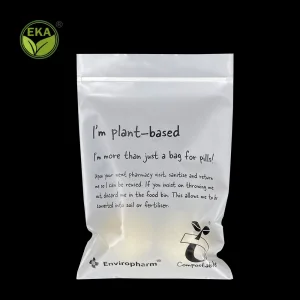
Polylactic Acid (derived from corn starch) mixed with PBAT provides a fully compostable solution. Ideal for the food service industry in Boracay and Palawan where ecological preservation is paramount.
Traditional PE enriched with organic additives that attract microorganisms once the bag is discarded in a landfill. This is the most cost-effective solution for Philippine courier services like J&T Express or NinjaVan counterparts.
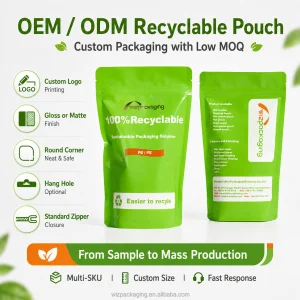
While not strictly "biodegradable," our 100% recyclable PE bags support a circular economy, reducing the extraction of new fossil fuels and aligning with the SM Supermalls' Green Movement.
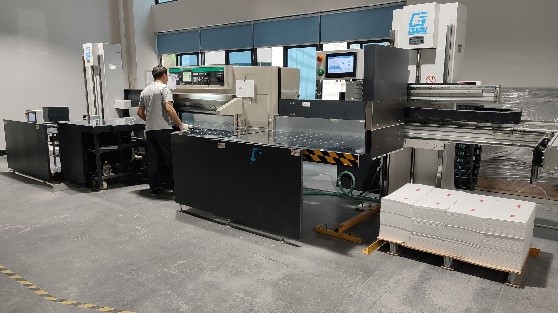
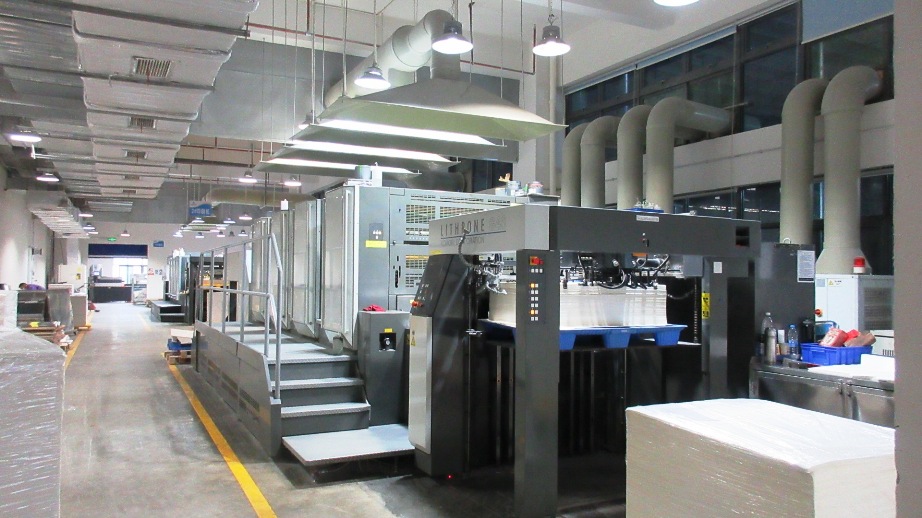
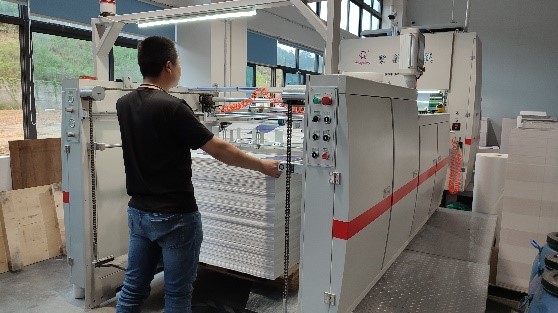
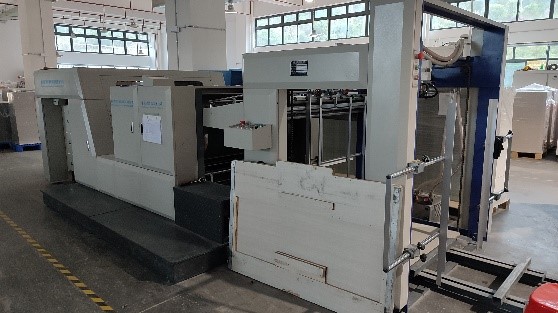
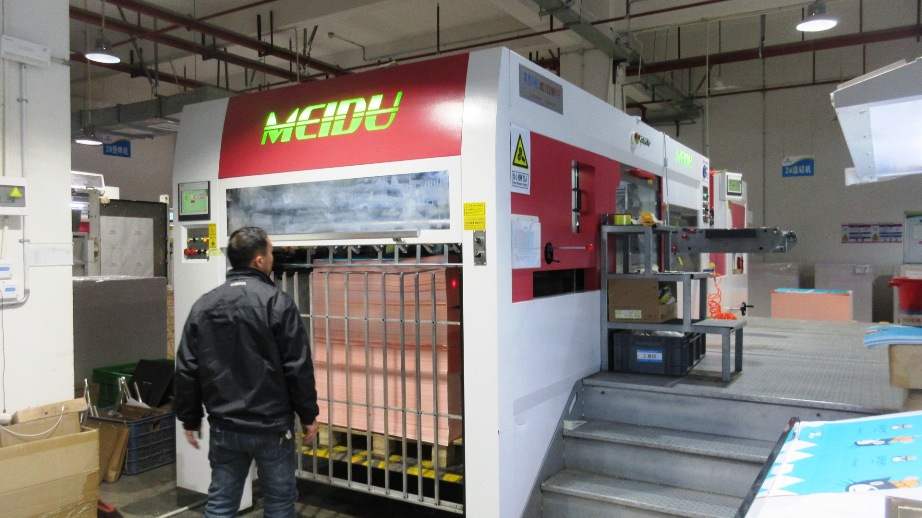
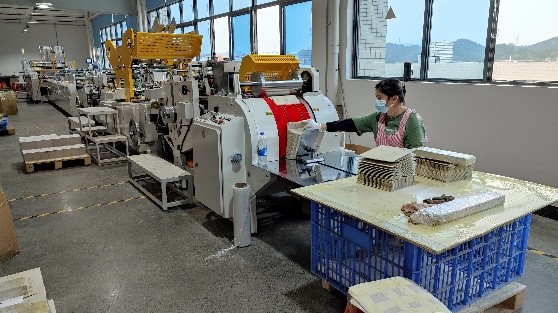
Established in 2018 in Handan City, Hebei ChicBeauty Bag Co., Ltd. has evolved into a powerhouse of packaging innovation. We don't just sell bags; we provide logistical efficiency and brand elevation.
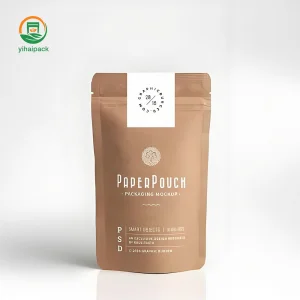
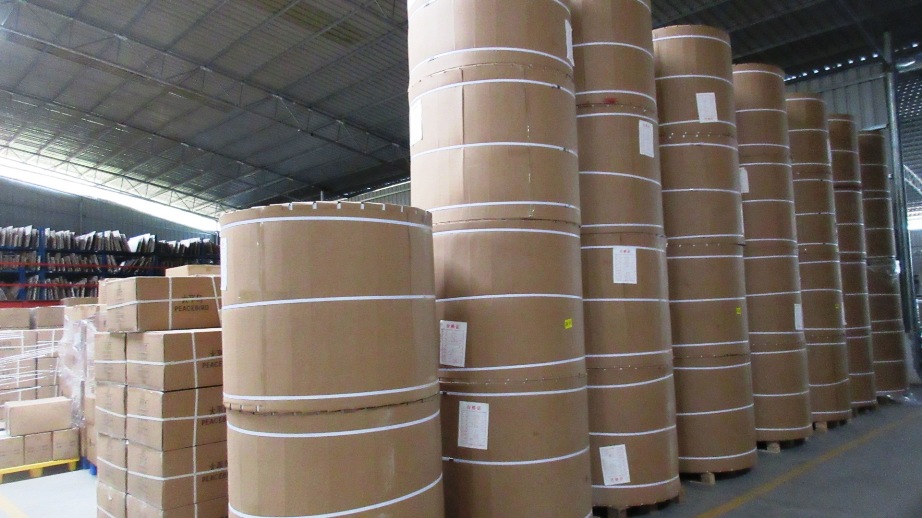
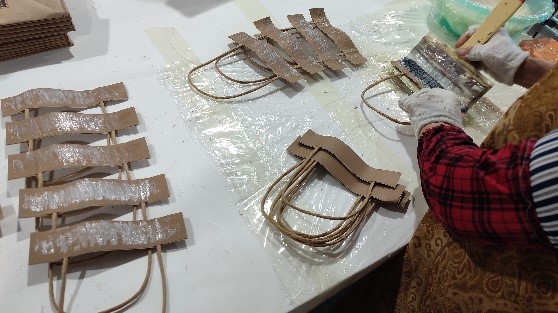
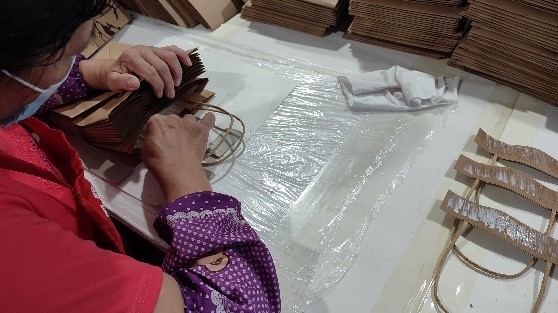
Integrated Supply Chain: Our sister factories produce the raw PP fabric and Kraft paper rolls. For our Philippine clients, this translates to 15-20% cost savings compared to middleman exporters. We control the quality from the molecular level to the final stitch.


 ChicBeauty Bag