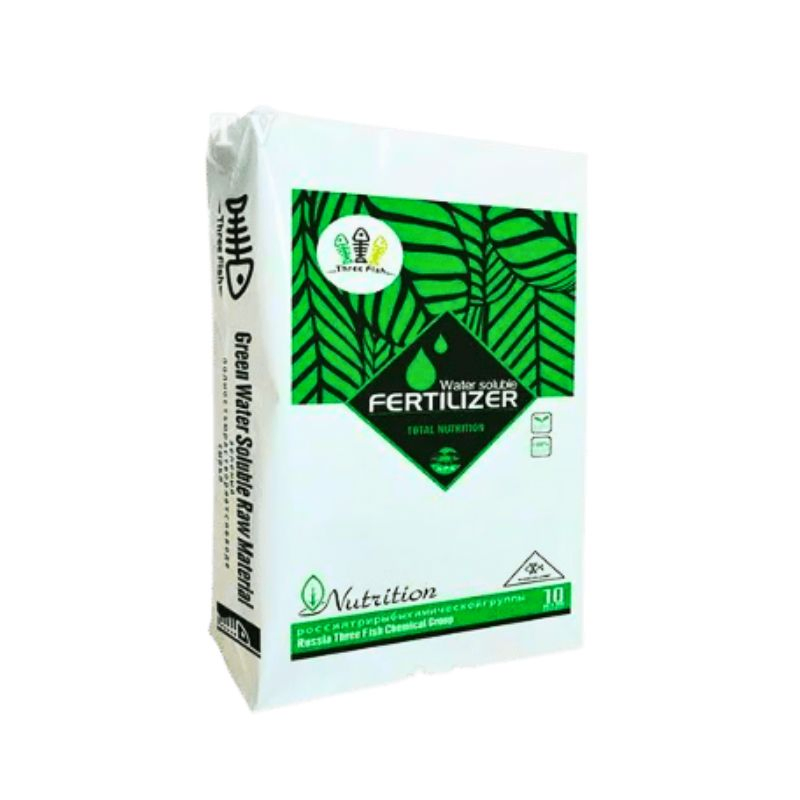
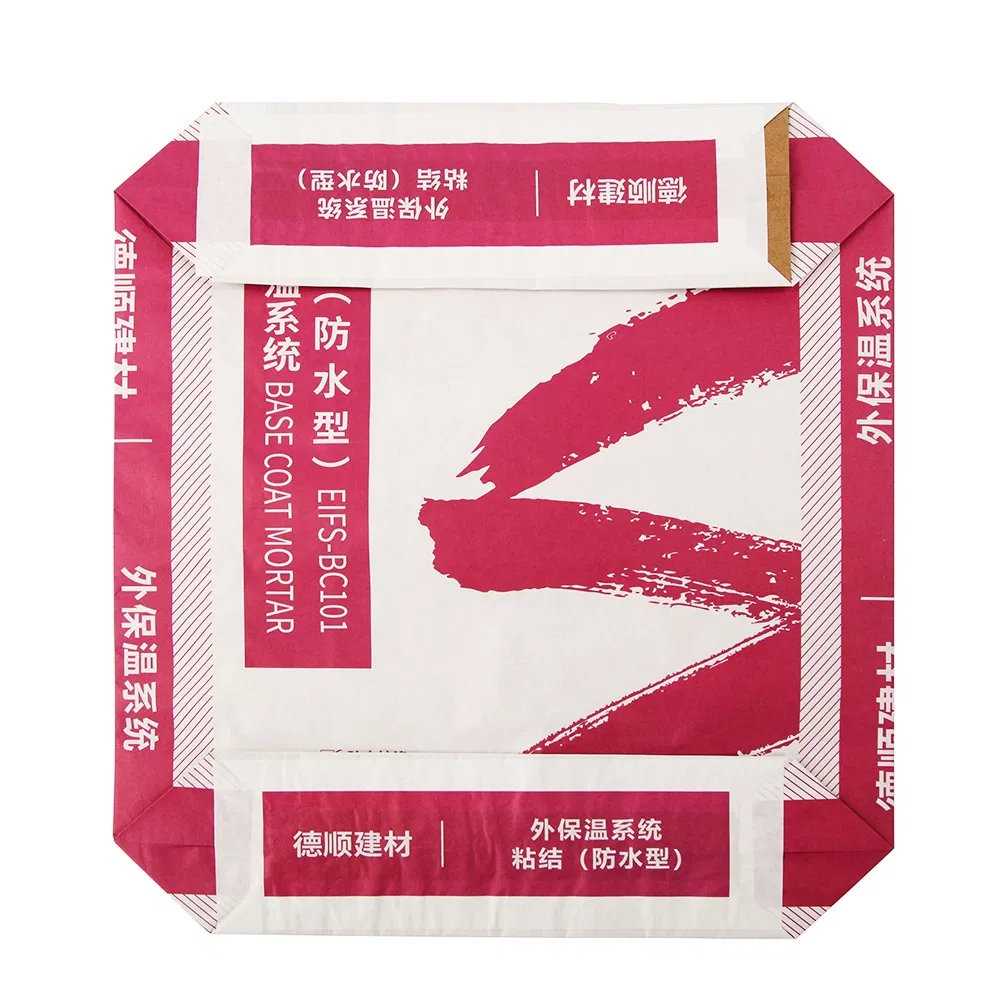
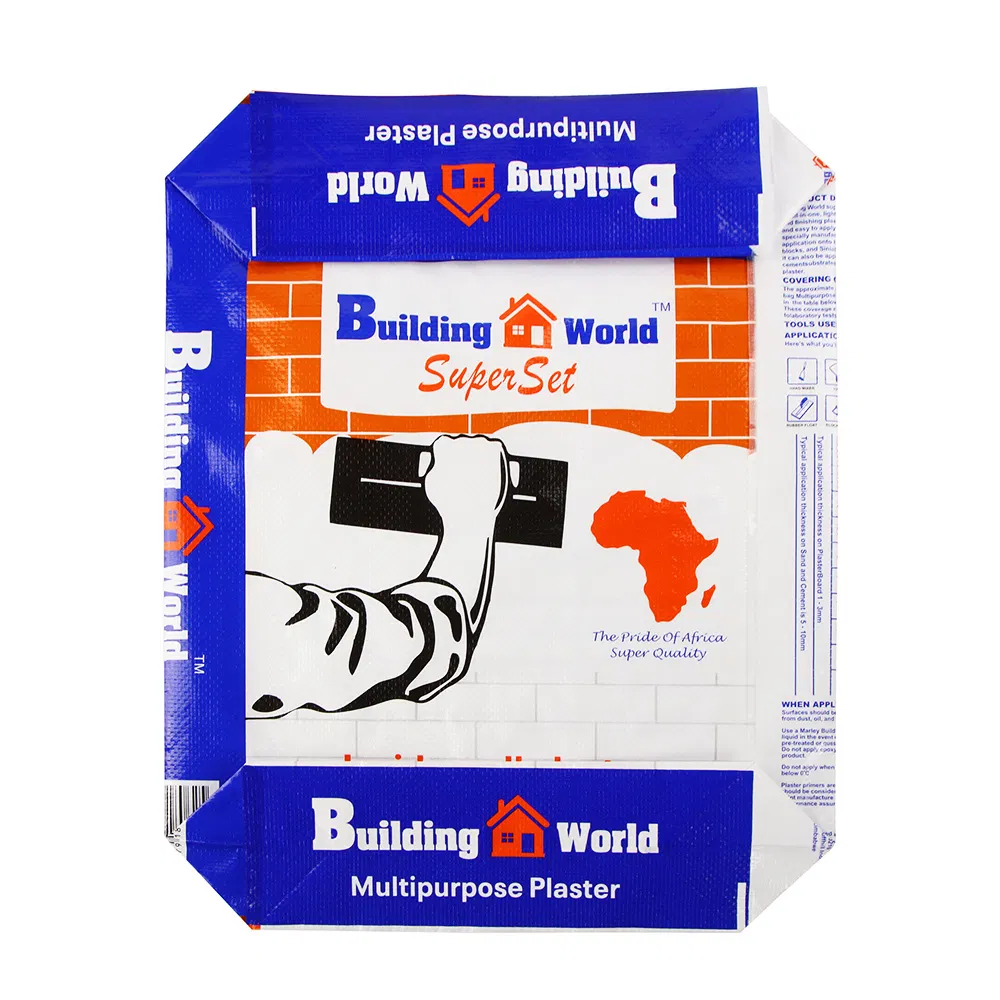
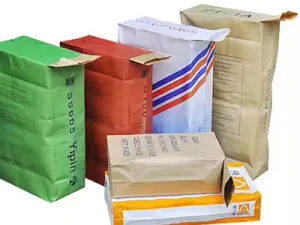
Multiwall Kraft Paper Bag for Charcoal Granules Packed in a 20 Kg Valve Bag

Product Description

Product Specifications
Products Plastic PP Valve Bag / Kraft Paper Valve Bag
Classify Feed packing, fertilizer packing, logistics packaging, building materials packaging, chemical packaging and so on
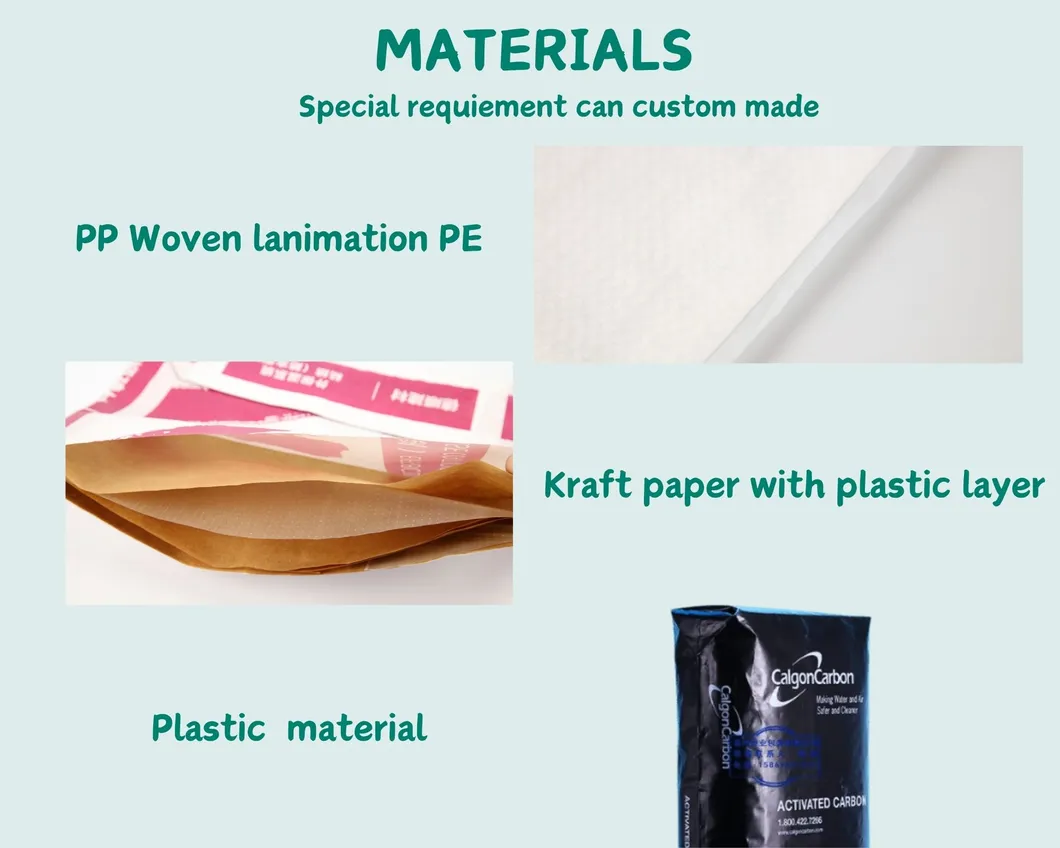
Material 100% virgin PP / PE / Kraft Paper
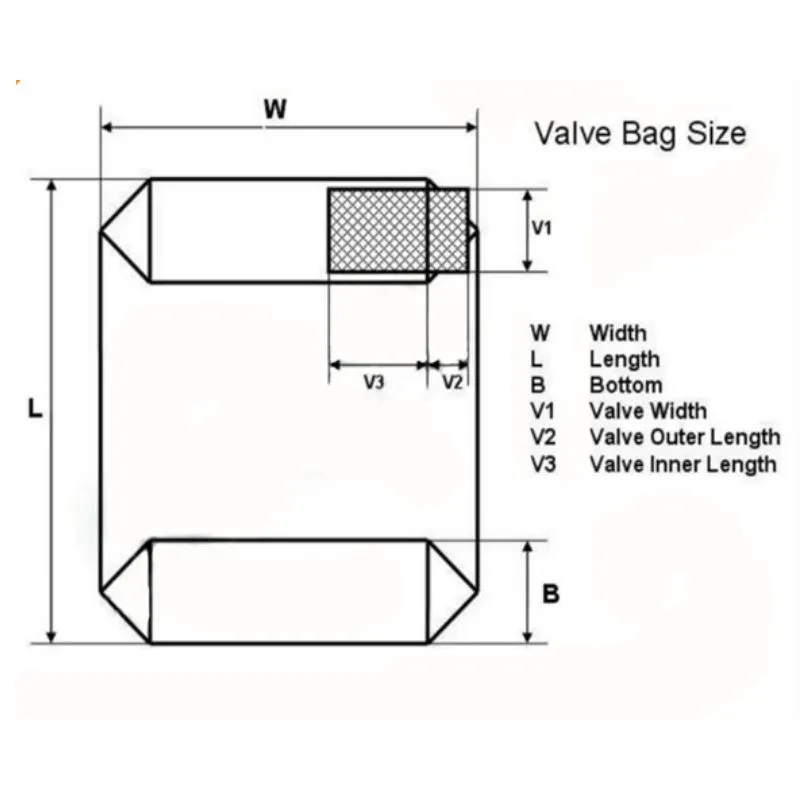
Size Based on capacity and stowage. Width: 30-100cm; Length: per customer's requirement
GSM 55gsm-200gsm
Daily Capacity 300,000 pieces per day
Color White, gray, brown, red, yellow, etc.
Printing • With LOGO printing (custom colors)
• No coating bags: max. 5 colors
• With coating bags: max. 5 colors
• With BOPP film bags: max. 8 colors
Surface Dealing 1. Coating or plain; 2. Printing as required (one side or two sides)
MOQ 5,000 pieces at least
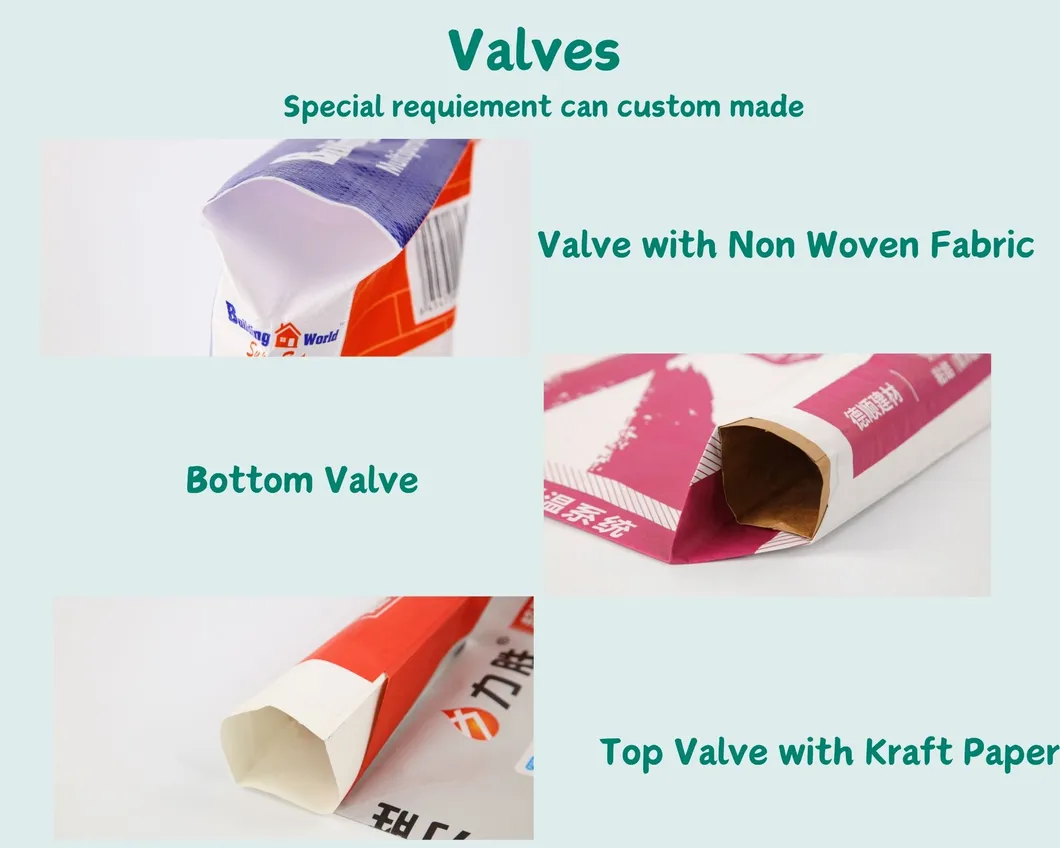
Top & Bottom Top: Valve port; Bottom: Block bottom
Packaging 500pcs/bundle, 1000pcs/bale, or as requirement
Performance High tensile strength, falls and friction resistance, dimensional stability, food contact compliance
Description: High tensile strength, resistant to falls and friction, providing excellent surface for high-quality print tasks.
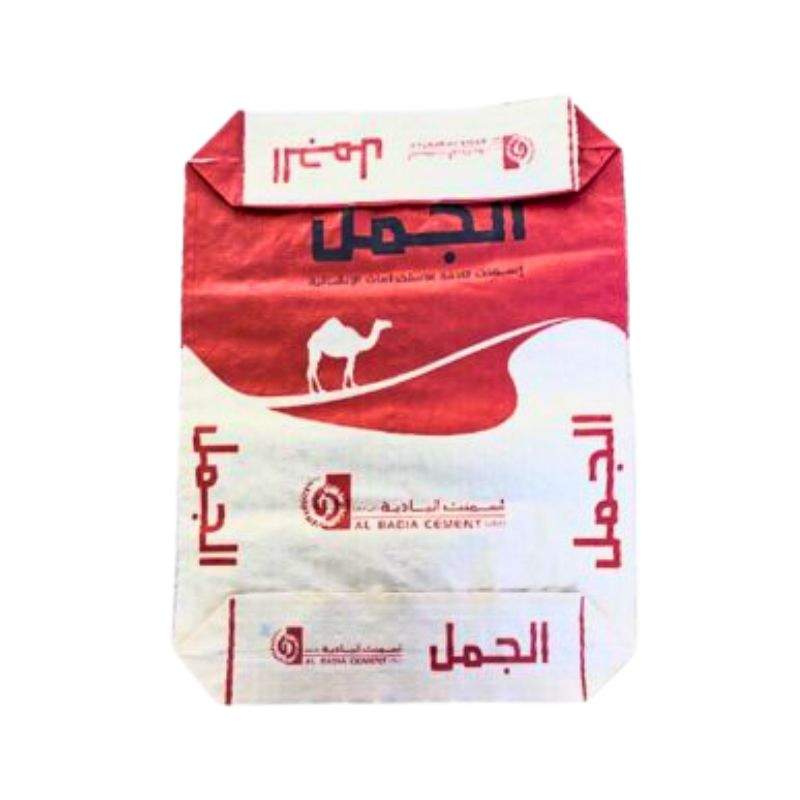
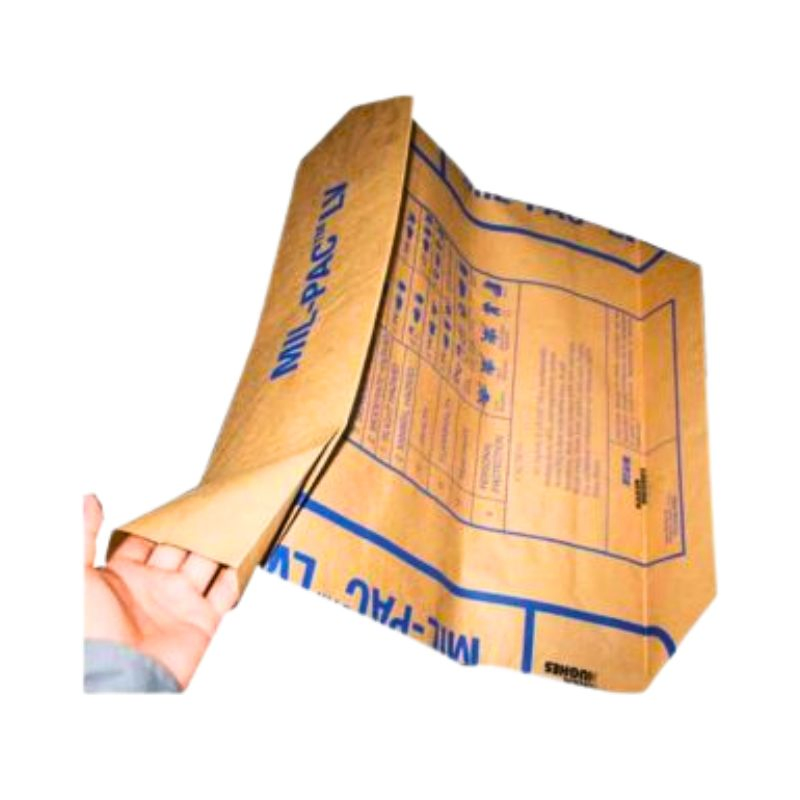
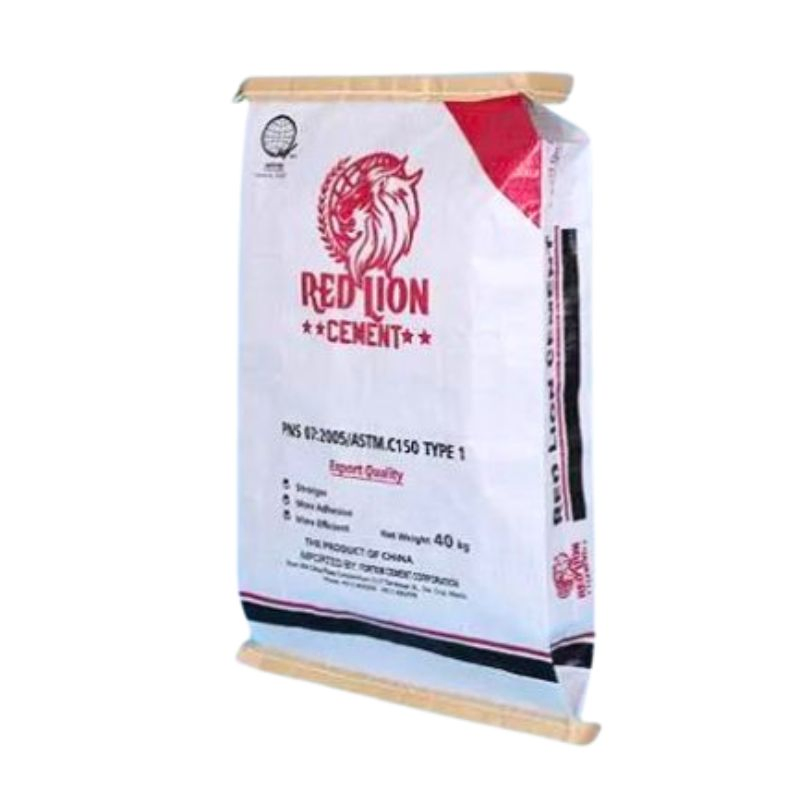
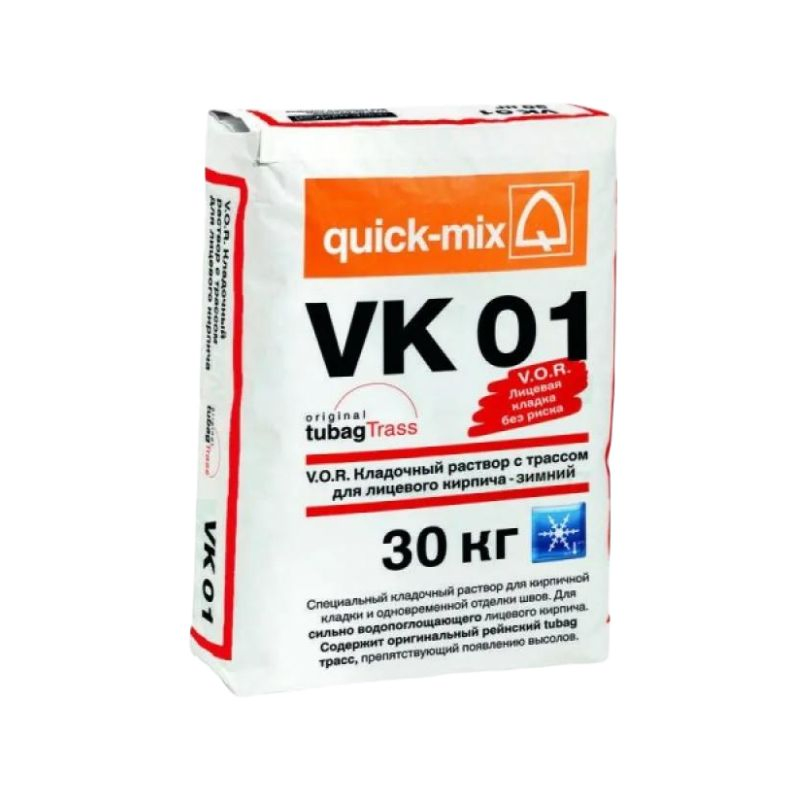
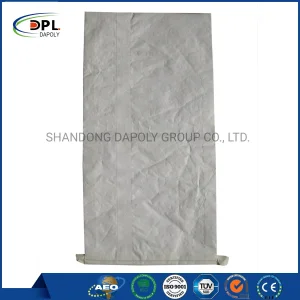
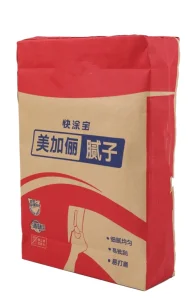
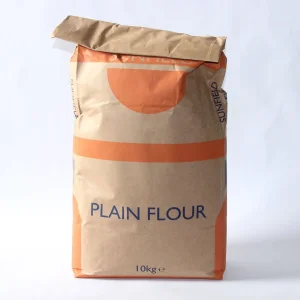
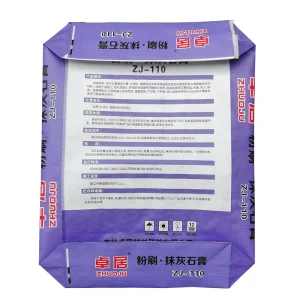
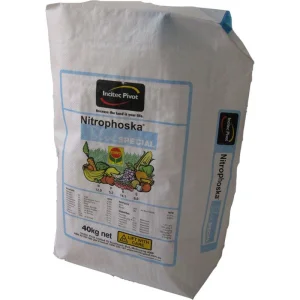
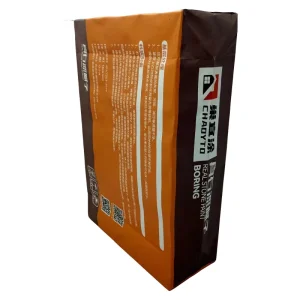
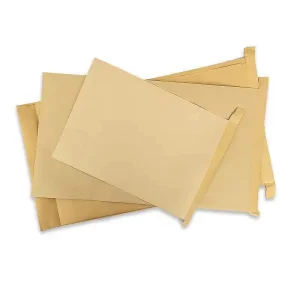
Product Display
Frequently Asked Questions
1. What is a valve bag?
A valve bag is a type of packaging designed for bulk materials. It has an integrated valve for efficient filling, which is automatically sealed after filling to keep contents secure.
2. What materials are valve bags made from?
Valve bags are typically made from Kraft paper (often with a PE liner), plastic (polypropylene or polyethylene), or multi-wall combinations for added strength and moisture resistance.
3. What are the main benefits of using valve bags?
They offer high efficiency for automated filling, reduced product spillage and dust, excellent protection against contaminants, and full customization for branding.
4. How are valve bags filled?
A filling machine inserts a nozzle directly into the valve. Once the bag reaches capacity, the internal pressure or the valve's design seals the opening.
5. Are valve bags recyclable?
Yes, many versions are recyclable, especially those made from 100% pure paper or plastic, depending on your local recycling infrastructure.
6. What types of products can be packed?
They are ideal for powders (cement, flour, chemicals), granules (fertilizers, seeds), and pellets (animal feed, plastic resins).

Related Products